
If a vehicle has recurring issues and the dealer is unable to solve them, many believe the automaker will eventually intervene to address the problem. However, this is not the case. The truth is automakers have tactics to prolong, prevent, or nullify lemon law demands.
Knowing those tactics is the first step to beating them.
“We Couldn’t Duplicate the Problem”
This is the most common move in the playbook, and it’s effective because it’s hard to disprove in the moment. You bring in your faulty vehicle complaining of an intermittent stall, a grinding transmission, or a brake that pulses under pressure, and the technician drives it around the block, finds nothing, and sends you home with a repair order that says “unable to duplicate.”
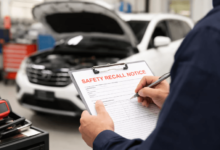
That single phrase does a lot of work for the manufacturer. It means no failed repair attempt is logged. No part is replaced. The paperwork is clean. If this happens two or three times, you’ve burned through service visits without building the repair history you need to qualify under the lemon law presumption, which typically requires three to four documented attempts to fix the same issue, or 30 cumulative days out of service.
The counter: don’t accept a “cannot duplicate” without pushing back. Ask the service advisor to write your exact complaint on the repair order, verbatim, in your own words. If possible, video the problem before you arrive. Ask whether a Technical Service Bulletin exists for your symptom; TSBs are internal documents manufacturers send to dealers acknowledging known defects, and they’re powerful evidence that the company was already aware of the problem.
How Repair Orders Get Quietly Rewritten
Even if a dealer does make an attempt to repair, the description on the paperwork is often different from what you told them. For example, you report to the service advisor that your steering wheel is shaking above 60 mph. The repair order states: “customer states slight vibration at highway speeds.”
This switch in language isn’t by accident. A “slight vibration” is a nuisance. A “violent shake” is a non-conformity, a legal term that defines a defect as something that substantially limits the use, value, or safety of the vehicle. Experienced lemon law attorneys know that dumbing down the language on a work order is an easy way to try to block you if your case ever ends up in arbitration or court.
So, before you leave every single time, get a copy of the repair order and read it. Make sure your complaints are listed accurately, the mileage is right, the date is right, and the number of days in the shop is right. These are your official documents, and once you leave the dealership, you have little ability to amend them.
The Arbitration Trap
When a customer complains loudly enough that the manufacturer feels the pressure, the next move is often to redirect them toward arbitration, meaning, go to the manufacturer’s program (BBB AUTO LINE or the like). It’s “neutral,” the manufacturer says, and it’s faster than going to court. Nonsense. It is neither.
Most manufacturer-paid arbitrators are looking for repeat business, and the manufacturer will never use the same one twice if they find for the customer. Also, the arbitrator knows that the manufacturer will not have to live with the result if it goes against them. The customer generally will. The function of arbitration is to drag the process out, wear the customer down, and get the customer to accept less than a court would award.
You usually don’t have to go to arbitration first if you talk to a lawyer. In many cases, going to arbitration first actually weakens your negotiating position.
“Goodwill” Gestures That Cost You Everything
If arbitration doesn’t work, manufacturers sometimes switch to a softer approach: a goodwill offer. This might be a free extended warranty, several hundred dollars in credit for repairs, or a fraction of the cash amount. It sounds like the company is finally trying to do right by you.
Read the fine print. These offers almost always come attached to a liability waiver. Sign it, and you’ve forfeited your right to pursue a full buyback under the lemon law. A manufacturer paying $500 to make a $35,000 buyback claim go away is a very good deal, for them.
Don’t sign anything without understanding exactly what rights you’re giving up.
See also: Common Tax Problems for Businesses and How Experts Fix Them
How to Actually Fight Back
Consumers who win lemon law claims are those who treated documentation as a weapon from day one. That means keeping every repair order, logging every service visit with date and mileage, writing down what you said and what the dealer said, and keeping track of cumulative days out of service as they add up.
When the repair count or out-of-service days hit the legal threshold in your state, the burden can shift to the manufacturer to prove the vehicle isn’t a lemon, that’s the lemon law presumption working in your favor.
Because of fee-shifting provisions built into most lemon laws, the manufacturer pays your legal fees if you win, which means qualified legal representation often costs you nothing out of pocket.
Fewer than 1% of new cars sold each year are ever processed as lemons, despite manufacturers routinely fighting every claim (Consumers for Auto Reliability and Safety). That gap exists because most consumers don’t know the playbook. Now you do.