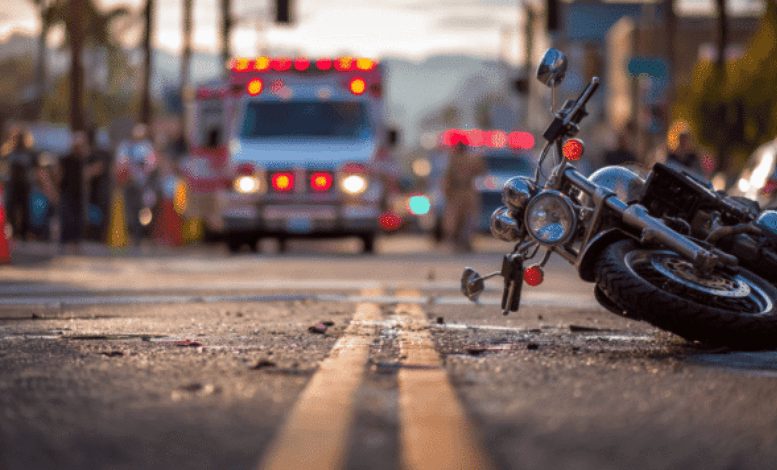
A driver waiting to turn left may see an approaching car but miss the motorcycle right behind it. Another driver may glance at a phone just as a rider enters an intersection. These small, everyday mistakes can leave a motorcyclist with serious injuries and months of recovery ahead. Riders who get hurt this way often need to figure out who caused the crash and what proof can support a claim. Many turn to a motorcycle accident lawyer early on, since these crashes tend to involve disputed facts and more than one insurance company.
Intersections show up again and again as one of the most dangerous places for riders. Streets that mix local traffic with larger highways force drivers to watch several directions at once, and a motorcycle can be easy to miss in that mix.
Why Intersections Put Riders at Risk
Intersections demand a driver’s full attention in more than one direction at a time. A driver getting ready to turn may be watching the light, checking oncoming cars, and judging whether there is enough time to cross. Because a motorcycle has a much smaller profile than a car or truck, it is easy for a distracted or rushed driver to overlook one.


Left turns cause a large share of these crashes. A driver may notice an approaching motorcycle but misjudge its speed or distance, then turn across its path with little time left to brake or swerve. Even a rider who clearly has the right of way may only have a second or two to react.
Common Causes of Motorcycle Crashes at Intersections
Most motorcycle collisions at intersections start with a simple driving mistake. Common causes include:
- A driver turning left in front of an oncoming motorcycle
- Failure to yield at a stop sign or signal
- Unsafe lane changes near an intersection
- Distracted or speeding drivers
- A driver misjudging a motorcycle’s distance or speed
- Vehicles pulling out from side streets or driveways
These crashes happen fast, often in a matter of seconds. Since a motorcycle offers little protection compared to a car, a mistake that would only dent two bumpers in a car-to-car crash can leave a rider with severe injuries.
What Should an Injured Rider Do After a Crash?
Getting medical care should always come first after a motorcycle collision. Some injuries are obvious right away, while others, like concussions, may not become painful until hours or days later. A medical exam also creates records showing when symptoms first appeared.
When it is safe to do so, gathering information from the scene can help too. Photos of vehicle damage, road conditions, and skid marks can provide useful details later. Riders should also hold on to medical bills, repair estimates, and insurance letters tied to the crash.
Evidence That May Help Establish Fault
Drivers do not always agree on what happened at an intersection. One person may claim the motorcycle was speeding, while the rider may say the other vehicle turned directly into the bike’s path. Useful evidence may include:
- Police crash reports
- Photos and video from the scene
- Security or traffic camera footage
- Witness statements
- Vehicle damage patterns and medical records
- Cell phone records when distraction is suspected
Some of this evidence does not stay available for long. Businesses record over security footage, and witnesses can be hard to track down as time passes. Collecting information early makes it easier to piece together how a crash happened.
See also: The Complete Guide to Workplace Injury Law: Navigating Your Rights and the Claims Process
Why Motorcycle Injuries Can Get Expensive Fast
Motorcyclists do not have seat belts, airbags, or a metal frame for protection. A crash that throws a rider off the bike can cause broken bones, road rash, head trauma, and back or neck injuries, sometimes followed by surgery and months of therapy. The financial hit often goes beyond the first hospital bill, since a rider may miss weeks of work or need ongoing care. An early settlement offer may not cover everything the rider ends up needing.
National Data Shows Why Intersection Safety Matters
Motorcycle safety remains a serious concern across the country. Recent NHTSA crash data shows that a large share of motorcyclist deaths happen at intersections, and left-turn crashes remain one of the most common types of fatal two-vehicle motorcycle collisions on record. Federal safety officials advise drivers to look twice for motorcycles and use extra caution before making left turns, since a smaller vehicle can be harder to judge for speed and distance.
How Insurance Can Affect a Motorcycle Injury Claim
After a crash caused by another driver, that driver’s liability insurance is usually the first source of compensation, covering medical bills, lost income, and repair costs. A rider’s own policy matters too. Uninsured or underinsured motorist coverage can become important if the at-fault driver has little or no insurance. Reviewing every available policy before accepting a settlement helps a rider understand what coverage actually applies.
Frequently Asked Questions About Motorcycle Intersection Accidents
What if a driver turned left in front of my motorcycle? This usually comes down to who had the right of way and whether the turning driver failed to yield. Police reports, witness accounts, video footage, and vehicle damage can help establish what happened.
Can I still recover compensation if I was partly at fault? Many states use a comparative fault system. An injured rider who shares some responsibility may still recover compensation, though the award is usually reduced by that person’s share of fault.
What happens if the other driver has no insurance? A rider’s own uninsured or underinsured motorist coverage may offer another path to recovery when the at-fault driver’s policy is not enough.
Does not wearing a helmet prevent a claim? Not automatically. Helmet use can come up when head injuries are involved, but it does not by itself decide who caused the crash.
Should I accept the insurance company’s first offer? A quick offer can be hard to evaluate while treatment is still ongoing. A rider should have a clear picture of their injuries, future care, and lost income before accepting anything.
Making Informed Decisions After a Motorcycle Crash
A dangerous intersection can change the course of a motorcycle ride in seconds. The decisions made afterward, about medical care, evidence, and settlement offers, can shape a rider’s finances and recovery for a long time. Taking time to document the crash and understand available options can help protect a rider’s interests while the real focus stays on healing.