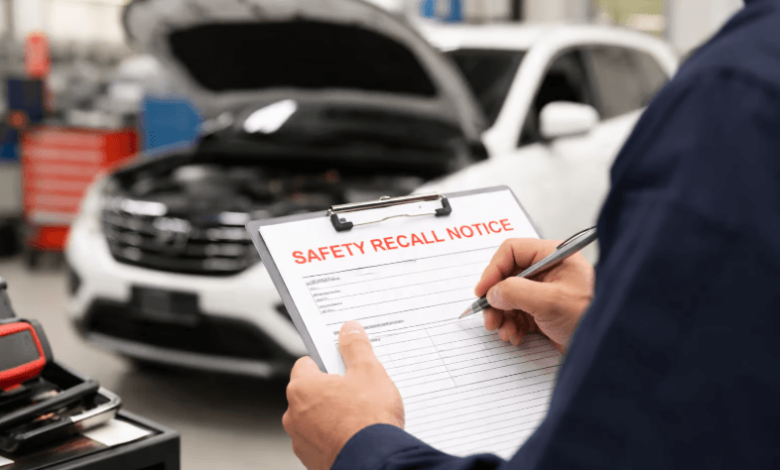
Buying a new or used vehicle comes with the expectation that it will be safe and reliable. That is why receiving a recall notice can be unsettling. Many drivers immediately wonder whether their vehicle is dangerous to drive, whether the problem can be repaired, and whether they have any legal rights if the issue keeps coming back.
If your vehicle continues experiencing the same serious defect after multiple repair attempts, it may be worth learning more about your consumer vehicle rights before assuming another repair will solve the problem. While a recall and a lemon law claim are not the same, they can sometimes overlap when the manufacturer cannot successfully fix a significant defect.
Understanding the difference between a recall and a lemon law claim can help vehicle owners make informed decisions. Knowing what records to keep and when to seek additional help may save time, reduce frustration, and protect your investment.

What a Vehicle Recall Means
A vehicle recall happens when a manufacturer or the National Highway Traffic Safety Administration identifies a defect related to safety or determines that a vehicle does not meet federal safety standards. Recalls can affect one specific model, several model years, or even millions of vehicles across the country.
Once a recall is announced, vehicle owners are usually notified by mail or through their dealership. The manufacturer is generally responsible for providing the repair at no cost. Depending on the issue, the repair could involve replacing defective parts, updating software, or making mechanical adjustments designed to eliminate the problem.
Many recalls are completed successfully, allowing drivers to continue using their vehicles without additional concerns.
A Recall Does Not Automatically Mean the Vehicle Is a Lemon
It is important to understand that a recall notice alone does not mean a vehicle qualifies under a state’s lemon law. Large recalls often involve thousands of vehicles, and most are repaired during a single service appointment.
A lemon law claim usually involves something different. The focus is not simply on whether a defect exists but whether the manufacturer has been given a reasonable opportunity to repair it and still fails to correct the problem.
Every state has its own legal standards, but repeated repair attempts, extended time in the repair shop, and ongoing defects are often factors that matter when determining whether a vehicle may qualify for additional legal protections.
When the Same Problem Keeps Returning
Some vehicle defects are straightforward and can be repaired quickly. Others prove much more difficult. Imagine a vehicle recalled because of an engine problem that causes sudden stalling. The dealership performs the recall repair, and everything seems fine for a short time. A few weeks later, the engine stalls again under similar conditions.
When the same issue continues after recall repairs, the situation changes. The original recall becomes only one part of a larger repair history showing that the defect may not have been resolved. Drivers should return to the dealership whenever the problem returns. Each visit creates documentation that may become important later.
Some Problems Are Hard to Diagnose
Not every vehicle defect appears every time the vehicle is driven. Electrical problems may only occur during wet weather. Transmission issues might only appear after driving at highway speeds. Engine warning lights sometimes turn off before technicians inspect the vehicle.
These intermittent problems can make diagnosis difficult. That does not mean the problem is imaginary. Repeated repair visits often reveal a consistent pattern that technicians may not notice during a single appointment. Over time, repair records can demonstrate that the defect continues despite multiple repair attempts.
Safety Defects Should Never Be Ignored
Some recalls involve relatively minor concerns, while others affect systems that directly impact driver safety. Problems involving brakes, steering, airbags, fuel systems, electrical systems, engines, or transmissions can increase the risk of accidents if left unresolved.
Vehicle owners should carefully read every recall notice they receive. In some situations, manufacturers recommend limiting vehicle use until repairs can be completed. Following those instructions can reduce the risk of injury while waiting for repairs.
Delays Can Create Additional Problems
Receiving a recall notice does not always mean repairs can happen immediately. Sometimes replacement parts are unavailable. In other situations, manufacturers are still developing the final repair process before dealerships can begin servicing affected vehicles. These delays can last weeks or even months.
For owners who rely on their vehicles for work, school, or family responsibilities, long repair delays can create significant inconvenience. If the defect also affects safety or vehicle performance, waiting for parts becomes even more frustrating. Keeping records of these delays may prove valuable if the repair history continues to grow.
Why Repair Records Matter
Documentation often becomes one of the most important pieces of the puzzle when dealing with recurring vehicle defects. Every repair order should accurately describe the symptoms reported by the driver. If the vehicle loses power while driving on the highway, that specific complaint should appear on the repair order instead of a vague description like “engine concern.”
Drivers should also save invoices, recall notices, dealership emails, service records, and written communications. These records create a timeline showing when the problem began, how often it occurred, and what repairs were attempted.
See also: Common Tax Problems for Businesses and How Experts Fix Them
Keep Track of Time Out of Service
Another helpful habit is recording how long the vehicle remains at the dealership. Write down the date the vehicle was dropped off and the date it was returned. Even several shorter repair visits can add up over time.
Extended repair periods caused by unavailable parts or unsuccessful repairs may become relevant depending on the laws where the vehicle was purchased. Good records provide a much clearer picture than relying on memory months later.
You Can Check for Open Recalls Yourself
Many drivers wait until they receive a letter in the mail before learning about recalls. However, owners can search for open recalls at any time using their vehicle identification number, commonly called the VIN.
The National Highway Traffic Safety Administration’s recall lookup tool allows drivers to search for unrepaired safety recalls, understand the reported defect, and learn about available repair options. It can also be useful when buying a used vehicle or investigating recurring problems. Drivers can use the official NHTSA VIN recall lookup tool to check whether their vehicle has any open safety recalls. Checking recall information regularly helps owners stay informed and address safety issues as soon as possible.
Not Every Serious Defect Leads to a Recall
Some vehicle problems affect only a small number of vehicles. A manufacturer may never issue a recall for an isolated transmission failure, electrical malfunction, or software issue. That does not mean the defect is any less frustrating for the owner.
Drivers should continue reporting recurring problems to authorized dealerships, even if no recall exists. Each repair attempt helps document the ongoing issue and demonstrates that the owner sought repairs through the proper channels.
Continue Reporting Recurring Problems
When symptoms return after repairs, owners should schedule another service appointment instead of assuming nothing can be done.
Provide as much detail as possible. Explain when the problem happens, whether warning lights appear, what sounds occur, how fast the vehicle is traveling, and whether weather conditions seem to affect the issue.
Small details often help technicians reproduce intermittent problems that might otherwise go unnoticed. Every repair visit also strengthens the written service history.
The Bigger Picture
For many vehicle owners, a recall is simply an inconvenience that ends with one successful repair. The dealership fixes the defect, the vehicle performs normally, and life moves on.
Sometimes, however, the repairs do not solve the underlying problem. The same defect returns, additional dealership visits become necessary, and confidence in the vehicle begins to disappear.
When repeated repair attempts fail, the combination of recall history, repair records, and ongoing defects may point to a larger issue than the recall itself.
Vehicle owners should pay attention to warning lights, unusual noises, loss of power, shifting problems, braking concerns, or any recurring symptoms after recall repairs are completed. Careful documentation and a clear understanding of available legal protections can make a significant difference if a serious defect continues despite repeated efforts to fix it.