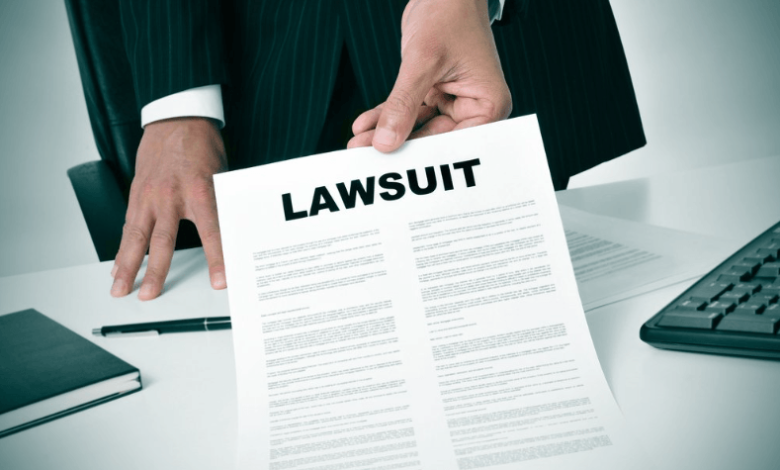
Debt has a way of taking over daily life. Phone calls come during dinner. Letters pile up on the counter. Some people even get threats about lawsuits or wage garnishment. Filing for bankruptcy does not erase every problem overnight, but it does something powerful the moment the case is filed. It stops most collection activity right away.
This protection is called an automatic stay, and it starts as soon as the bankruptcy case reaches the court. Many people search for an automatic stay bankruptcy lawyer after they fall behind on several bills at once and feel like they have run out of options. Knowing how this protection works can help someone decide if bankruptcy is the right step for their situation.
What an Automatic Stay Actually Does
An automatic stay is a court order that pauses almost every collection effort at the same time. Creditors cannot call to demand payment. They cannot send threatening letters. They cannot start or continue a lawsuit, and they cannot garnish wages from a paycheck. For someone who has been dealing with daily calls from multiple creditors, this pause can bring real relief.


The stay applies whether someone files under Chapter 7 or Chapter 13. It goes into effect the second the case is filed with the court, not weeks later. That timing matters a lot for people who are facing an urgent problem, like a shutoff notice or a scheduled court date, because the stay can interrupt those actions before they happen.
Utility Shutoffs and Payday Loans
Utility companies are often one of the first creditors people worry about. If gas, electric, or water service is about to be cut off due to unpaid bills, a Chapter 7 filing can delay that shutoff for a set period, giving the person time to catch up or make new arrangements. This delay is temporary, so it works best as a bridge rather than a permanent fix.
Payday loans work differently. If a payday lender is holding a signed check as collateral for the loan, the automatic stay usually does not stop that lender from cashing or depositing the check. This is because the law treats collateral already in a creditor’s possession differently from other debts. Anyone in this situation should talk with their bank about stopping payment on the check before filing, since waiting until after the case is filed may be too late.
Foreclosure and Repeat Filers
For homeowners facing foreclosure, the automatic stay can pause the process and buy valuable time. This is one of the most common reasons people file for bankruptcy when a home is at risk. The stay does not erase missed mortgage payments, but it can stop a sale from moving forward while the case is open.
Repeat filers face tighter limits. If a person had a bankruptcy case dismissed within the past year, the new stay might only last thirty days unless the court agrees to extend it. If two or more cases were dismissed in the same period, the stay may not apply at all. These rules exist to prevent people from filing case after case only to delay a foreclosure without any real plan to fix their finances.
What the Stay Cannot Stop
Not every debt pauses when a bankruptcy case is filed. Child support and spousal support are two clear examples. A former spouse can keep collecting these payments, and can even start a new case to collect them, regardless of the automatic stay. Courts treat these obligations differently because they are meant to support children and former partners, not to punish someone for falling behind on bills.
Student loans sit in a gray area. Collection efforts do pause during the stay, so calls and letters about the loan should stop for a while. However, the loan itself is rarely wiped out completely. Courts only discharge student loan debt when someone can show that repaying it would create serious, ongoing hardship, and being low on money by itself usually does not meet that bar. According to the Administrative Office of the U.S. Courts, discharging student loan debt through bankruptcy requires a separate legal process on top of the main case.
See also: Choosing the Right Lawyer After a Motorcycle Accident With an Uninsured Driver
When a Creditor Asks the Court to Lift the Stay
Sometimes a creditor can ask a judge to end the automatic stay early. Landlords are one common example. If a landlord claims that a tenant used illegal drugs on the property or caused serious damage, courts often side with the landlord and allow eviction proceedings to move forward despite the stay.
Mortgage lenders can make similar requests. If someone cannot realistically afford both their regular house payment and a plan to catch up on missed payments through Chapter 13, the lender may ask the court to lift the stay so foreclosure can continue. This is why having a clear, workable repayment plan matters so much when a home is involved.
Why Timing Matters
People who wait until the last minute to file often lose some of the benefit the automatic stay could have provided. A shutoff notice, a scheduled foreclosure sale, or a wage garnishment already in motion can sometimes be stopped, but only if the case is filed before the deadline passes. Filing early gives the stay more room to actually protect what matters most, like a home, a paycheck, or basic utilities.
Anyone thinking about bankruptcy should look closely at their timeline before deciding when to file. A short conversation about upcoming deadlines can make the difference between the stay working as intended and arriving too late to help. Getting the timing right is one of the simplest ways to get the most protection out of the process.