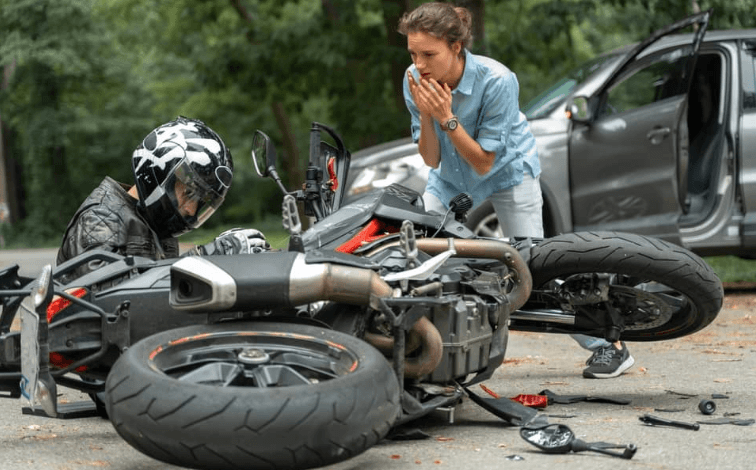
A motorcycle accident can change a person’s life in a matter of seconds. Serious injuries, expensive medical treatment, and time away from work often create financial pressure while victims are still trying to recover. The situation becomes even more difficult when the driver responsible for the crash has no insurance. Instead of filing a straightforward claim against the at-fault driver’s insurance company, injured riders may need to explore other options for recovering compensation.
Seeking experienced legal support after a serious crash can help injured riders understand their rights before speaking with insurance companies or accepting a settlement offer. While every accident is different, working with a lawyer who understands both injury claims and insurance disputes can make the process easier to manage. The right legal guidance can also help identify available insurance coverage that may not be obvious at first.
Motorcycle accidents often result in more severe injuries than collisions involving passenger vehicles. Riders have very little protection during an impact, which increases the risk of broken bones, traumatic brain injuries, spinal injuries, road rash, and internal injuries. Recovery can take months, and some victims never fully regain their previous quality of life. Medical expenses can continue long after the accident, making financial recovery just as important as physical healing.


Why Uninsured Driver Motorcycle Accidents Are More Complicated
When an uninsured driver causes a motorcycle crash, many people assume there is no way to recover compensation. That is not always true. Depending on the circumstances, an injured rider may be able to file a claim through uninsured motorist coverage included in their own insurance policy. Some policies may also provide additional benefits for medical expenses, lost income, or property damage.
Unlike a standard insurance claim, these cases often involve your own insurance company. Although you pay premiums for coverage, the insurer may still investigate the accident carefully before approving payment. Questions about fault, policy limits, medical treatment, and the value of damages can all become points of disagreement.
A lawyer who understands both personal injury law and insurance policies can review available coverage, explain your legal options, and help protect your interests throughout the claims process.
Look for Experience With Motorcycle Accident Cases
Not every personal injury lawyer has significant experience handling motorcycle accident claims. These cases often involve unique legal and factual issues that differ from ordinary vehicle accidents.
Insurance companies sometimes rely on unfair assumptions about motorcycle riders. They may argue that a rider was speeding, weaving through traffic, or taking unnecessary risks even when the available evidence says otherwise. These claims can reduce settlement offers or delay negotiations.
An experienced motorcycle accident lawyer knows how to shift the focus back to the evidence. Police reports, witness statements, photographs, medical records, accident reconstruction, and vehicle damage often provide a much clearer picture of what actually happened.
Ask About Experience With Uninsured Motorist Claims
One of the first questions to ask during a consultation is whether the lawyer regularly handles uninsured motorist cases.
These claims involve reviewing insurance policies carefully to determine what benefits may apply. Every policy is different, and coverage limits can vary widely. A lawyer familiar with uninsured motorist claims can identify available coverage, explain policy language, and determine whether additional insurance benefits may be available.
Because insurance companies carefully evaluate these claims, having legal representation early can help avoid mistakes that may affect the outcome of the case.
A Strong Case Depends on Strong Evidence
Even when the at-fault driver has no insurance, proving liability remains one of the most important parts of the case.
Evidence should be gathered as soon as possible after the accident. Traffic camera recordings, surveillance video from nearby businesses, witness statements, police reports, photographs, vehicle damage, and medical records may all help establish exactly how the collision occurred.
Some evidence may only be available for a short time. Surveillance footage is often deleted within days or weeks, making prompt investigation important. A lawyer should have a clear strategy for preserving valuable evidence before it disappears.
Understanding the Full Value of Your Losses
Many accident victims focus only on emergency medical bills immediately after a crash. However, serious motorcycle injuries often require long-term care.
Treatment may include surgery, rehabilitation, physical therapy, prescription medications, follow-up appointments, and future medical care. Some injuries also leave lasting physical limitations that affect daily activities and long-term health.
Financial losses may extend beyond medical expenses. Time away from work, reduced earning capacity, motorcycle repairs, replacement riding gear, and ongoing rehabilitation costs can all become part of a claim. Proper documentation helps ensure these losses are accurately presented during settlement negotiations.
See also: How a Law Firm Can Help Parents Handle Child Support Matters
Communication Matters Throughout the Case
A motorcycle accident claim can take months to resolve. During that time, clients should know what is happening with their case.
Good communication helps reduce stress during an already difficult period. Before hiring a lawyer, ask who will handle your case, how often you will receive updates, and who you should contact if questions arise.
A law firm that communicates clearly helps clients make informed decisions and better understand each step of the legal process.
Be Careful Before Accepting an Early Settlement
Insurance companies sometimes offer quick settlements shortly after an accident. While fast payment may seem attractive when medical bills are piling up, accepting an early offer can be risky.
The long-term effects of a motorcycle injury are not always known within the first few weeks. Additional treatment, rehabilitation, or future surgeries may become necessary later. Once a settlement is accepted, injured riders generally cannot return to request additional compensation.
A lawyer can evaluate whether a settlement offer fairly reflects medical expenses, future treatment, lost wages, pain and suffering, and other documented damages before any agreement is signed.
Why Insurance Knowledge Is Just as Important as Injury Experience
Motorcycle accidents involving uninsured drivers create two legal challenges. First, someone must prove who caused the collision. Second, the injured rider must identify every available source of compensation.
This often requires more than understanding personal injury law. It also requires experience reviewing insurance policies, interpreting coverage provisions, and negotiating with insurance companies. An attorney who understands both sides of the process is better prepared to protect a client’s financial recovery.
Choosing the Right Lawyer Can Make a Difference
Selecting a lawyer after a motorcycle accident should involve more than reading online reviews. Ask about experience handling motorcycle injury cases, uninsured motorist claims, communication practices, and how evidence will be collected.
The National Highway Traffic Safety Administration’s motorcycle safety resources explain that motorcyclists face significantly greater risks than occupants of passenger vehicles because they have less physical protection during a collision. Understanding these risks highlights the importance of proper insurance coverage and experienced legal guidance after a serious crash.
Taking time to choose the right attorney can help injured riders better understand their legal options, protect valuable evidence, and pursue the compensation they may be entitled to receive after an accident involving an uninsured driver.