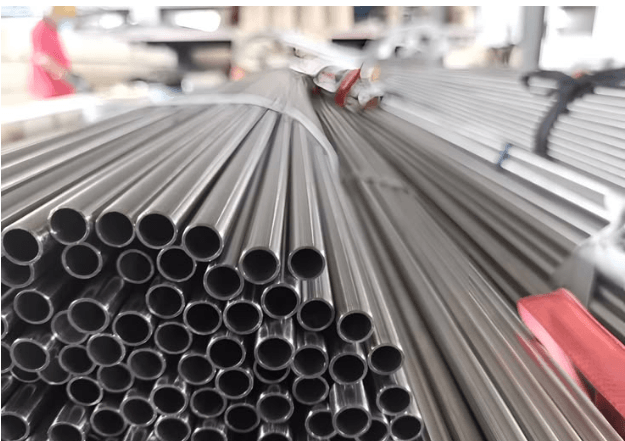
In industries where strong performance, dependability, and long-lasting materials are very important, picking the right materials can determine the success of a project. 321 stainless steel tubes are a useful option because they can withstand high heat, resist rust, and stay strong for a long time. This post looks at what makes 321 stainless steel special, its uses in different industries, and why engineers around the world prefer this material.
Understanding 321 Stainless Steel
321 stainless steel tubes have titanium added to it. It works really well in high-heat conditions. Adding titanium stops chromium carbide from forming during welding or long periods of heat exposure.
This helps keep the material strong and resistant to rust. 321 stainless steel usually has 17-19% and 9-12% nickel. It is strong, long-lasting, and can resist rust at temperatures up to 870°C.


Features That Make 321 Stainless Steel Tubes Trustworthy
Resistance to High Heat
321 stainless steel stays strong and doesn’t rust even when it’s heated a lot, which makes it great for jobs that involve heating and cooling many times. It is often used in airplane engine parts, exhaust systems, and heat exchangers because regular stainless steels can become weak or bent in these situations.
Resistance to Corrosion
This metal mix works really well against rust and damage from water, chemicals, and acids. Its ability to resist forming small holes and internal corrosion makes it last a long time and lessens the need for regular replacements.
Great for Welding
Welding is an important step in making tubes. 321 stainless steel has titanium added to it, which helps stop problems that can make it rust, especially along welded edges. This feature lets engineers build strong and long-lasting tube-shaped structures easily.
Strength and Formability
321 stainless steel tubes can be bent, rolled, and shaped accurately without losing their strength. This property is really useful for making special tube shapes, like those needed for airplane fuel lines or complicated pipes in food processing.
Applications in Aerospace
The aerospace industry requires materials that can handle very high temperatures, strong vibrations, and harmful chemicals. This variant of tubes are commonly used in the aerospace industry for:
Exhaust Systems: Parts that get very hot need tubes that won’t rust or change shape. 321 stainless steel lasts a long time and is dependable even in high heat situations.
Fuel Lines and Hydraulic Systems: The metal’s ability to resist rust and be easily welded makes sure that these important systems work safely without any leaks.
Structural Parts: 321 stainless steel tubing is light but strong, helping to keep aircraft engines and parts sturdy without making them heavier.
Applications in Automotive
Besides being used in aerospace, 321 stainless steel tubes are commonly found in cars and factories where there is a lot of heat and harsh conditions.
Chemical Processing: Factories that handle chemicals use 321 stainless steel pipes to safely move harmful liquids and gases.
Exhaust Systems: In high-performance and commercial vehicles, 321 stainless steel tubes can handle heat and won’t rust, making them last a long time.
Heat Exchangers: Its strength to handle changes in temperature without breaking makes it perfect for high-efficiency heat exchangers used in power plants and factories.
Applications in Food Processing
The food processing industry needs clean and strong materials. 321 stainless steel tubes meet these needs by providing:
Corrosion Resistance: Being able to avoid damage from acidic cleaners, water, and food acids helps it last longer and stay safe when it touches things we eat.
Smooth Surface Finish: Polished 321 stainless steel tubes are easy to clean and take care of, lowering the chances of bacteria growing.
Temperature Resilience: A lot of food preparation requires cooking at high temperatures, heating to kill germs, or cleaning to make sure it’s safe to eat. 321 stainless steel tubes can handle these conditions without getting damaged or rusting.
Considerations for Fabrication and Installation
321 stainless steel tubes work very well, but it is important to handle and install them correctly.
Welding: Use compatible materials to prevent rust and avoid problems with metal. Getting the joints ready properly and cleaning after welding help make sure they last a long time. Cutting and Bending: Special tools might be required to cut or bend 321 stainless steel tubes without creating tiny cracks or weak spots.
Surface Finishing: Polishing or passivation helps improve resistance to rust and corrosion, especially in places where moisture or food can come into contact.
Following these best practices during the manufacturing and installation of 321 stainless steel tubes helps them work well for a long time.
Conclusion
321 stainless steel tubes are a strong and trustworthy material used in many fields. They can handle high heat, resist rust, and stay strong, making them perfect for tough jobs where safety and durability are very important. By learning about the features, uses, and how to make 321 stainless steel tubes, manufacturers can get the most advantages from them, while lowering maintenance costs and risks during use.