Most homeowners see irrigation as a pure expense. Water bills arrive monthly, repairs cost money, and installation fees feel like they’ll never come back around. But certain watering system upgrades genuinely return more value than they cost. Not in some distant future scenario that takes decades to materialize. We’re talking about improvements that show real benefits within a couple of seasons.
The catch is knowing which upgrades deliver actual returns versus which ones just sound impressive.
Smart Controllers That Use Weather Data
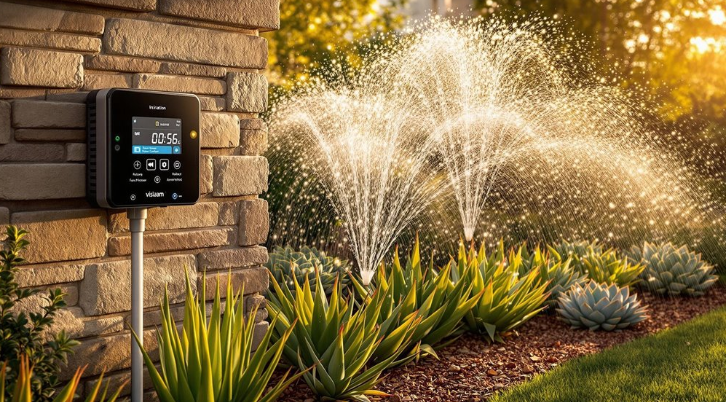
Sprinkler timers that use schedules developed through antiquated programming assume that all scheduled watering days are equal; your Tuesday and Friday morning sprinklers go off this week because it rained yesterday or because it might rain tomorrow, in their view, does not matter. Smart irrigation controllers, however, tap into weather reports and adjust based on those realities. If rain is expected at some point in the afternoon, they skip that scheduled cycle. If day after day is expected to be hot and dry, these controllers give a little extra time for their watering cycles.

Reports note that these systems save 20-30% in outdoor water usage (as compared to subpar timer systems). With an average monthly summer water bill of $80 for a household that averages $200-250 in summer savings per season due to smart controllers, the payback time occurs after one and a half seasons (one season of savings with an investment of $150-300 for the initial smart controller), and beyond that, money continues to be saved.
There’s another payback value when considering overwatering. Too much water leads to root rot, funguses, and weak plant growth that makes them vulnerable to pests and disease. Dying bushes and flowers cost much more money than keeping them alive in the first place.
Installing Separate Zones
Why can a sprinkler system treat my entire yard in the same way? Because it doesn’t—it treats every part of the yard as if it has equal needs for water; however, the shady side yard gets as much watering as the sunny flower beds or the established lawn, when in reality, those areas have vastly different needs. Allowing them to all run together means half of the property gets too much water while the other half is starved (or underwatered).
By upgrading to separate zones—where different areas can run independently—that problem no longer exists. The shaded areas run less frequently. The beds with thirsty annuals run more frequently. Trees get a deep watering but not that often. A properly designed garden irrigation system can put water where it needs to go instead of soaking everything down the same way.
Savings show up in a few different ways—water bills are lower because half of the yard is not being drowned (giving the other half just enough water) and plants grow better across the board so there’s less financial investment replacing plants that either dried out or drowned. New zone valves average out to a few hundred dollars—payback is less about immediate savings and more about saving every time any additional watering is needed.
Drip Systems For Gardens and Shrubs
Sprinkler heads throw water into the air. Wind blows it away, sun evaporates it before it even hits the ground, and what’s left typically hits the leaves instead of making it down to the root zone where it’s needed. A drip system puts water down in little emitters at the root zone so specific plants take up only what they need for their health and growth.
Drip systems make the most sense for gardens and shrubs—areas where there are often more expensive plants (than simple lawn grass)—perennials, ornamental shrubs, vegetables, unique flowers, etc. These things cost money to replace. Drip systems keep them healthier with less water while also safeguarding future investments.
According to studies, drip systems increase water efficiency 30-50% compared with using overhead sprinklers in the same area but more significant is how well these plants do—vegetable gardens with consistent roots yield far more food; flower beds look better and stand stress easier. Average garden areas cost $300-$600 for installation but with lower water bills and no need to replace dead plants, these pay for themselves within two or three growing seasons.
Pressure and Spacing
Correcting spacing mistakes and adding pressure regulators does wonders most people don’t realize. When pressure is too high, sprinklers mist/fog instead of putting water on the ground where it belongs; when heads are spaced incorrectly, some areas get flooded while others get barely any attention—all excessive wastes of water.
Upgrades for pressure regulators are $30-$50 per zone; spacing heads appropriately may add a few hundred dollars based on how many need moving. The payback comes from eliminating wasted water; properly functioning systems use 15-20% less while appropriately servicing everything. This is savings month-over-month while concurrently improving service.
Rain Sensors and Moisture Sensors
Rain sensors can turn sprinklers off while they’re running if they detect rain or if enough rain occurs to stop additional watering—costs range from $50-$150—which prevents common occurrence during summer storms of sprinklers running during deluges. Soil moisture sensors help because they check actual moisture levels in the soil to decide if it’s really dry or wet enough that additional watering need not happen.
These systems prevent watering when it’s not needed; they save depending on geography but in rainy areas they can save 20-40% irrigation in spring/fall when combined with other systems. They’re easy to install, not too expensive (especially compared with all day workers watering) and work year after year.
See also: Inside Brisbane’s Luxury Build Boom: What High-End Homeowners Are Choosing in 2025
What The Numbers Actually Look Like
The best thing about these systems is that they offer cumulative savings across different areas because they all do the same basic thing—but it’s sensibly cut out waste without compromising results. Plants still stay just as healthy (if not healthier) from previously subpar alternatives without any benefit from irrigation; instead, money saved comes from lower water bills, less replacement plants needed, less fertilizer needed for better health growth earlier on, etc.
Most changes pay back on average within two-three seasons thanks to companies willing to justify their costs through savings over time. After that it’s all pure savings accessible year after year as long as systems work properly—that’s real investment! Spending money upfront to save money time after time over!