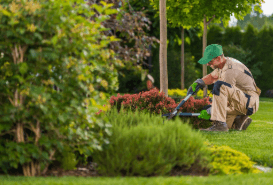
Hervey Bay’s subtropical climate creates some of the most favourable conditions for lawn growing in Queensland. Warm temperatures through most of the year, reliable summer rainfall, and the moderating influence of the bay combine to support fast-growing, lush lawns that can be the envy of less temperate regions. But a good climate does not guarantee a great lawn — understanding how to work with local conditions rather than against them makes the difference between a lawn that thrives and one that requires constant attention.
The most common mistakes Hervey Bay homeowners make with their lawns are over-watering during the wet season, under-fertilising during the growing season, and cutting the grass too short in an effort to reduce mowing frequency. Each of these practices produces the opposite of the desired result — making the lawn more water-dependent, less vigorous, and more susceptible to pests and disease. Getting the basics right consistently is the foundation of a lawn that looks good year-round.
Understanding your specific grass variety is the starting point for effective lawn care. Different varieties — buffalo, couch, zoysia, kikuyu — have different requirements in terms of mowing height, fertiliser type and frequency, watering needs, and shade tolerance. Management practices that work well for one variety can be actively harmful for another. If you are not sure what variety you have, a visit from a knowledgeable turf supplier can usually provide a definitive answer.


Mowing height and frequency
Mowing height is one of the most influential variables in lawn health, yet it is one that many homeowners get wrong. Cutting too low — often called scalping — removes the leaf area that the plant uses for photosynthesis and exposes the base of the plant to heat and drying. The result is a stressed lawn that is more vulnerable to weed invasion, disease, and pest damage. Specialist advice from suppliers of lawn supplies Hervey Bay will typically include guidance on the correct mowing height for the specific variety, and following that guidance is one of the simplest things you can do to improve lawn health.
During the peak growing season — which in Hervey Bay runs from roughly October through to April — warm-season grasses grow vigorously and may need mowing every one to two weeks. Allowing the grass to grow too long before cutting makes the mowing task harder and can result in thatch buildup as the clippings are too long to break down quickly. Regular mowing at the correct height, by contrast, produces clippings that decompose rapidly and return nutrients to the soil.
In the cooler months, growth slows considerably for warm-season varieties and mowing frequency can be reduced to once every three to four weeks. Maintaining a slightly higher cut through winter helps protect the plant’s crown from cold and keeps the lawn looking green for longer. Avoid fertilising during this period, as encouraging new growth when temperatures are falling creates soft, vulnerable tissue that is susceptible to frost damage in the cooler nights of July and August.
Keeping mower blades sharp makes a genuine difference to lawn health. Blunt blades tear the grass rather than cutting it cleanly, leaving ragged edges that desiccate quickly and provide entry points for disease. Sharpening blades two or three times through the growing season is a simple maintenance task with a meaningful impact on both the appearance and health of the lawn.
Watering and drainage
Hervey Bay’s summer rainfall is generally sufficient to sustain an established lawn without supplemental watering during the wet season. In fact, over-watering during periods of regular rainfall creates conditions that favour fungal disease, particularly in warm and humid weather. The key is to water when the lawn actually needs it — when blades start to fold or show a slightly blue-grey tinge — rather than on a fixed schedule regardless of conditions.
In the drier months, particularly from August to October, supplemental watering becomes important. An established lawn generally needs the equivalent of about 25 millimetres of water per week during dry periods, ideally applied in a single deep watering session rather than daily light applications. Deep, infrequent watering encourages roots to grow downward in search of moisture, producing a more drought-tolerant lawn than one that receives frequent shallow watering and never develops a deep root system.
Lawn care is one of many creative outlets that connects people to the outdoor spaces they inhabit. Just as someone might use a graffiti practice tool to develop their visual creativity in a digital space, tending a lawn is a form of ongoing creative expression — shaping an outdoor environment that reflects care, attention, and a genuine relationship with the natural world. Both reward patience, regular practice, and an appreciation for the craft involved.
See also: How Finding a Reliable Plumbing Service Transforms Home Maintenance
Fertilising for a healthy lawn
Warm-season grasses respond well to fertilising during the growing season and should generally be fed two to four times between spring and early autumn. A balanced fertiliser containing nitrogen, phosphorus, and potassium supports vigorous growth and a deep green colour, while slow-release formulations reduce the risk of burning and provide sustained nutrition over a longer period. Avoid fertilising in the six to eight weeks before the expected first cold nights of winter.
Soil testing is worth doing every two or three years to understand the nutrient levels and pH of your soil. Hervey Bay soils vary considerably across the region and in some cases are naturally acidic, which affects nutrient availability even when fertiliser is applied. A simple pH test from a garden centre, or a more comprehensive analysis from a testing laboratory, can inform targeted amendment rather than generic fertiliser applications.
Lawn care in Hervey Bay is genuinely rewarding when approached with a basic understanding of the local climate and the needs of your particular grass variety. A lawn that is mowed at the right height, watered intelligently, fertilised appropriately, and given prompt attention when problems appear will reward that investment with a healthy, resilient outdoor space that makes the most of one of Queensland’s most pleasant regional settings.
Links for client records:
Link 1: https://www.widebayturf.com.au/ | Anchor: lawn supplies Hervey Bay
Link 2: https://www.upallcity.com/ | Anchor: graffiti practice