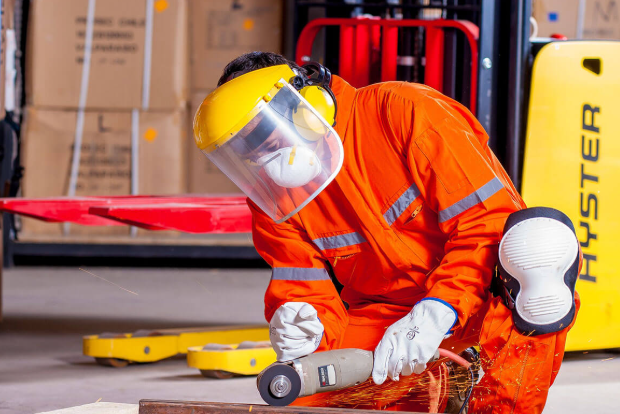
There are two versions of workplace safety. The one that exists on paper—laminated posters, induction checklists, gear distributed because it checks the box. And the other version that works. The difference between them almost always comes down to the same thing: whether the PPE fits the person wearing it and the task they are doing.
If it is right from the start, it informs how people move, how long they can endure a shift, and how confidently they approach the task at hand. Putting in the work upfront pays off in ways that save more than just time and help people get past an audit.
The Real Cost of Generic PPE
Most work sites start with good intentions. A bulk order gets made—gloves, hard hats, hi-vis vests, safety footwear—and everyone gets their proper sizes and the job’s done. The problem? Generic PPE that is chosen without too much attention to the task at hand creates friction more than it removes it.

Gloves that are too bulky eliminate grip and dexterity, which frustrates people, slows them down and increases the likelihood that something could go wrong. Footwear that isn’t appropriate for the terrain tires workers long before a shift ends. A hard hat that doesn’t fit well is constantly adjusted or left behind, or worse. In the moment, none of it seems dramatic; however, over time these little annoyances accumulate into a slow yet devasting decrement to safety and morale for extended periods that people—and management—fail to realize until it’s far too late.
The proper PPE changes this. When gear fits properly and does its job, then people stop thinking about it and that’s where it needs to be. Protection is passive, operating behind the scenes and running without getting in people’s way.
Fit and Function Go Hand in Hand
Fit is arguably the most underappreciated aspect of PPE selection, but it’s critical. Gear that does not fit properly is not just uncomfortable; it doesn’t work as it’s designed to work. There’s a gap on a respirator, an incorrectly fitted harness, hearing protection worn off-center. These aren’t minutiae and slight inconveniences; they’re actual holes in protection.
The good news is that fit issues are almost entirely preventable. Including workers in selection processes, trying out gear before bulk orders are made, and adjusting for physical variances throughout a team make all the difference. If workers have a say in what they wear, they’ll likely wear it all the time and that’s half the battle before anyone steps onto the floor.
For those who require prescription eyewear, fit matters even more. Wearing standard safety glasses over prescription eyewear is awkward; it’s a compromised fit of both pieces of equipment, leading many to ditch either or both just to get comfortable. Purpose-built safety glasses with prescription lenses solve this — full vision correction and certified protection in one pair, built to be worn all day without any of the compromise.
When PPE Actually Gets Worn
Safety managers across industries know this phenomenon well—the PPE cupboard that no one ventures to touch. Ear defenders collecting dust on a shelf. Gloves taken off the moment a supervisor turns away. Respirators that never make it out of storage.
It’s not laziness; it’s almost always a sign that gear does not work well enough for those it’s intended for. When equipment is uncomfortable, cumbersome or mismatched to the task at hand, workers find ways around it—and quite frankly, it’s tough to blame them. Stricter enforcement does not help; better selection does instead.
Good fitting equipment that matches up well with the work at hand and doesn’t reduce practicality gets worn because it helps people do their jobs well. Everyone shares a common goal of being protected while doing what’s expected of them. This subtle shift, from gear people tolerate to gear they actually like using, differentiates safety programs with paper trails from those that actually work well on the ground.
See also: Why Growing Businesses Are Rethinking How They Handle Storage and Shipping
Maintenance Makes The Difference Over Time
Selecting the right PPE is only half the battle; keeping it in good condition is where many otherwise solid safety programs fail quietly. Gear perfectly assessed for its tasking abilities can go down hill fast if not maintained. The tricky part is that worn equipment doesn’t usually look worn until it’s far too late to become unacceptable anymore.
Integrating maintenance into a workday does not have to be complex; general audits, proper storage and defining guidance on when items must be replaced go a long way. Workers who understand why it matters tend to take it on board especially if the gear they are maintaining is something they enjoy using in the first place—because quality equipment extends its value here as well.
Better quality equipment lasts longer, performs more consistently, and provides more obvious indications when it’s time for replacement instead of failing silently—which is the fail no one sees coming.
Starting Off Right Makes Everything Else Easier
Facilities that get safety right tend to look at PPE selection from an intentional standpoint instead of from a purchasing perspective. They think about who will wear equipment, what they’ll be doing in it and what atmosphere they’ll be exposed to while wearing it. They invite workers into the conversation. They re-evaluate decisions as roles or environments change.
None of this takes complicated know how or intensive budgets; it simply requires an acknowledgment that getting things right from the start are well worth it because otherwise it adds up slowly and unintentionally through small grievances to something far less safe than anticipated.
The bottom line is this: when it fits, workers wear it; when they wear it, it protects them—and that’s the entire point. It can be easily achieved by any facility willing to think about it upfront.