Functional living is more than just a lifestyle; it’s about creating spaces that are organized, aesthetically pleasing, and tailored to meet daily needs efficiently. Storage cabinet solutions play a pivotal role in achieving this balance by providing practical and stylish ways to store belongings. Whether you are dealing with a compact apartment, a sprawling home, or an eclectic mix of rooms, these furniture pieces help declutter your environment, making your living space more harmonious and inviting.
Investing in quality cabinets and chests transforms a house into a home where everything has its place. They support visual calm, reduce unnecessary stress caused by clutter, and enhance accessibility to everyday items. With thoughtful selection and strategic placement, these storage solutions elevate not only the functionality of a room but also its overall ambiance, allowing residents to live with ease and organization.
Accessibility and Visual Calm
Cabinets (Hidden): Cabinets often function as concealed storage units that hide items from plain sight, creating a sense of visual calm. From kitchen pantries with pull-out trays to sleek bathroom cabinets that store toiletries, a storage cabinet ensures that even everyday essentials are neatly tucked away. This reduces visual clutter and makes the living space appear organized and serene.


Chests (Hybrid): Unlike cabinets, chests offer a hybrid function, combining storage with surface area that can double as seating or display space. They are perfect for living rooms or bedrooms where accessibility to frequently used items is essential. A chest at the foot of the bed or in a hallway allows you to store blankets, linens, or shoes while keeping them within easy reach, enhancing both convenience and visual harmony in your home.
Room-by-Room Functionality
1. Living Room
In the living room, cabinets and chests serve as multipurpose tools. Media cabinets organize electronics and cables, preventing tangled wires and maintaining a tidy space. Chests can store magazines, games, and extra pillows while also acting as coffee tables or accent pieces. This dual functionality keeps the living area uncluttered and functional, enabling a smooth, relaxed environment for family gatherings or entertaining guests.
2. Bedroom
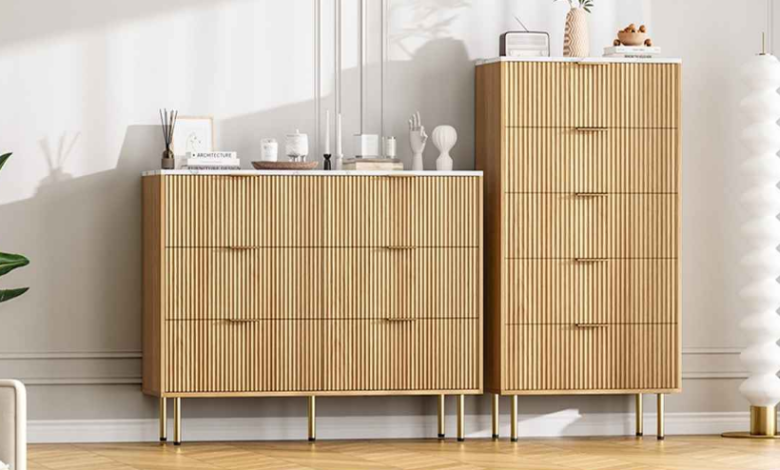
Bedrooms benefit greatly from storage solutions that blend aesthetics with utility. Wardrobe cabinets offer a structured space for clothing, accessories, and personal items. Meanwhile, a dresser drawer provides easy access to smaller clothing items or personal belongings, keeping them organized and preventing clutter. Storage chests at the foot of the bed can also store seasonal clothing or extra bedding. By incorporating these pieces, homeowners can enjoy a serene sleeping environment free from clutter, promoting better rest and relaxation.
3. Kitchen and Dining Area
Cabinets are a staple in kitchens and dining areas, ensuring that utensils, cookware, and pantry items are neatly organized. Deep cabinets with adjustable shelves make it simple to store bulky items, while upper cabinets maximize vertical space for lesser-used tools. A storage cabinet can complement kitchen organization by providing extra space for table linens, seasonal cookware, or small appliances, making meal preparation smoother and more efficient.
4. Bathroom
Bathroom cabinets maintain hygiene and visual calm by concealing toiletries, cleaning products, and towels. Vanity cabinets with drawers and compartments make daily routines more streamlined. Chests can act as supplemental storage for towels, bathrobes, and extra supplies, keeping the bathroom uncluttered and easy to navigate. These solutions prevent surfaces from becoming overcrowded and maintain a spa-like ambiance.
Maximizing Small or “Dead” Spaces
1. Under-Stair Storage
The area beneath staircases is often underutilized, but it can be transformed into a practical storage zone. Custom cabinets fitted under stairs can house shoes, coats, or household tools, turning otherwise “dead” space into a functional asset. Chests can also be used here to create hidden storage that doubles as seating or display surfaces, maximizing efficiency without compromising style.
2. Corners and Nooks
Corners and awkward nooks in a home can be difficult to furnish, yet they offer hidden storage opportunities. Corner cabinets utilize vertical space, keeping items organized and accessible. Similarly, small chests can fill these areas, providing discreet storage for books, toys, or linens. By creatively using these spaces, homeowners can enhance functionality without crowding the main living area.
3. Entryways and Hallways
Entryways often lack dedicated storage but are essential for organization. Cabinets with hooks or cubbies can neatly store shoes, bags, and coats, while chests offer a convenient place to sit while putting on shoes or to store seasonal items. These additions prevent clutter from spilling into other parts of the home and maintain a welcoming, orderly entry space.
Safety and Longevity
Safety is a critical consideration when incorporating cabinets and chests into functional living spaces. Choosing pieces with rounded edges, stable bases, and secure locks ensures that they remain safe for families. This is especially important in homes with children or pets, where accidental bumps or tip-overs can occur. Thoughtful design and construction minimize risks while maintaining practical use in everyday life.
A well-built storage cabinet with sturdy construction not only provides security but also guarantees longevity. Selecting durable materials such as solid wood, high-quality MDF, or metal reinforcements ensures strength. These pieces withstand daily use without losing their aesthetic appeal or functional purpose. Investing in quality furniture combines safety, durability, and style for long-term satisfaction.
See also: Income Protection Insurance: Powerful Financial Backup
Tips for Choosing the Right Piece
Selecting the perfect cabinet or chest requires thoughtful consideration of several key factors to ensure both functionality and style in your home.
- Functionality First: Prioritize the storage needs of each room. Determine whether a cabinet or chest is needed for hidden storage, easy access, or dual purposes like seating.
- Size and Scale: Measure the available space carefully. Oversized pieces can overwhelm a room, while smaller, appropriately scaled units maximize efficiency without crowding the area.
- Material Quality: Opt for durable materials that match your home’s aesthetic and resist wear and tear. Solid wood, reinforced MDF, or metal components ensure longevity.
- Design and Style: Select designs that complement the existing décor. Sleek, minimalist cabinets maintain visual calm, while decorative chests can serve as statement pieces.
- Accessibility: Ensure drawers, doors, and compartments open smoothly and are easy to reach. Consider pieces with soft-close mechanisms or sliding panels for added convenience.
Conclusion
Cabinets and chests are indispensable tools for functional living. By providing organized, accessible storage, they reduce clutter, enhance visual calm, and create efficient spaces that adapt to everyday life. A thoughtfully selected storage cabinet transforms rooms into well-structured, aesthetically pleasing environments where functionality meets style.
Strategically chosen cabinets and chests maximize small or “dead” spaces, improve safety, and ensure longevity, making them practical and long-lasting investments. With careful attention to room needs, material durability, and design preferences, homeowners can embrace a lifestyle of functional living, enjoying a harmonious, clutter-free, and visually appealing home.